Writing for The Conversation, leading obesity researcher Dr Nick Fuller shares how you can use the scales to enhance your health and wellbeing. To avoid all of this, certain people will be better off if they just weigh themselves once per week. Other measurements of success include acknowledging healthier food choices and focusing on the mental and physical benefits of regular exercise.
Lizzo’s 5 Daily Habits Behind Her 60-Lb Loss
The amount of weight you may see on the scale after a workout can vary depending on the individual and their specific circumstances. Some people may experience an increase in weight due to water retention and muscle fatigue, while others may not see any significant change at all. The most accurate results will come from weighing yourself first thing in the morning, after you’ve used the bathroom and before you eat or drink anything. This will give you the most consistent and reliable measurement of your weight (7). It’s important to note that this type of weight gain is not necessarily a bad thing.
Focusing solely on it can overshadow other indicators, such as how your clothes fit. It’s also essential to pay equal attention to how we’re feeling, physically and emotionally. Change the batteries regularly and check their accuracy by using a “known” weight – for example, a 10kg weight plate.
Exercise Calculator: How Many Calories Do You Burn?
Some people with hypothyroidism will also benefit from the addition of T3 (liothyronine) to their T4 therapy. Breath meters provide another method for measuring ketone levels. Some breath meters give a range of ketosis — mild, moderate, or high — while others give a quantitative result. Today, there are reasonably-priced gadgets available for measuring ketone levels at home. One needle prick of the finger, and in just a few seconds you’ll know your blood ketone level. While the evidence is weak that either of these interventions will help with weight loss, there is likely little downside and you may see a small benefit.
- People should then follow the manufacturer’s instructions to calibrate the scales.
- Empty your bladder and stomach before weighing yourself to rid your body of any excess fluids or undigested products.
- It makes sense that your body would be hungry after burning all of that energy.
- “If you’re trying to track progress, your weighing circumstances need to be the same.”
- Additionally, avoid weighing yourself at gyms or fitness facilities, as variables like the time of day, activity level, and clothing choices can affect measurements.
- Focusing solely on it can overshadow other indicators, such as how your clothes fit.
You shouldn’t weigh yourself immediately after working out because you won’t get the most accurate weight measurement. During exercise, a number of factors can contribute to weight fluctuations, including water retention and muscle fatigue. These temporary changes in weight can give you a misleading result if you weigh yourself immediately after your workout (7).
Measuring progress
However, if you’re in a maintenance phase after reaching your weight loss goal, monthly weigh-ins can help you monitor your progress and prevent weight regain. The frequency you should weigh yourself depends on your weight management goals and personal preferences. Several studies have explored the impact of different weighing frequencies on weight loss and maintenance, and the consensus is that consistency is key. Weighing ourselves weekly gives a more accurate measure of our weight trends over time. Fluctuations in hormones within your menstrual cycle can also affect fluid balance.
Most researchers agree that it’s best to weigh yourself first thing in the morning. That way, you’re more likely to make it a habit and be consistent with it. For the most consistent and accurate weight measurements, it’s recommended to weigh yourself first thing in the morning, after using the bathroom and before eating or drinking anything.
Can over exercising and under eating cause weight gain?
This should be done several mornings in succession to get a reliable average reading. By following these guidelines, you can effectively monitor your weight and make informed decisions about your health and fitness journey. Weighing too frequently can create an obsession with the number on the scales and do more harm than good. Well, the most common recommendations you see are to weigh yourself every day, once a week, or once a month. And when you take all of the above into account, you’ll see that each frequency has its own PROS and CONS. Your weight isn’t the most important thing when it comes to your overall health, but it is a small piece of the puzzle.
The evening is typically the least consistent time to weigh yourself, as it’s after a full day of eating and drinking. However, if your routine includes a workout or physical activity in the morning, a midday weigh-in could reflect the immediate post-exercise weight changes. Overnight, you also lose water through breathing and a bit of sweating, which can lower your water weight slightly, making it a preferable time for many.
This Is the Best Time of Day to Weigh Yourself on a Scale
This can be particularly helpful if you’re tracking this number for weight loss or gain. To accurately track your weight, it’s important to weigh yourself at the same time each day—weighing yourself at different times can lead to major discrepancies in your weight pattern. The best time of day to weigh yourself is first thing in harnafit review the morning—after you’ve used the bathroom and before eating or drinking anything. Because the normal things you do each day—eat, drink, or sweat—can lead to weight fluctuations. You may want to lose fat – but the scale measures muscles, bone and internal organs as well.
Use the Same Scales Consistently
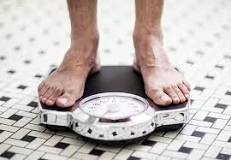
Place the “known” weight on the scale and check the measurement aligns with the “known” weight. The CDC recommend placing the scales on firm, level flooring, such as tile or wood. A person should avoid placing the scales on carpet or uneven flooring, as this will not provide an accurate measurement. According to the Centers for Disease Control and Prevention (CDC), digital scales are more accurate, and people should avoid using spring-loaded bathroom scales. Weight gain can occur from eating or drinking more than you think you are. Especially after working out hard, you may sometimes think you “deserve” a bigger portion.
Make Your Day Work! Here’s When to Eat, Work Out, and Indulge
Indeed, there are many other indicators than just the scale that you’re getting healthier. All these things are more important than making the scale read a smaller number. Besides weighing yourself at an ideal time of day, there are other ways to ensure you regularly get an accurate reading from your scale, especially when tracking weight loss or gain. Eating large meals or high-sodium foods can lead to temporary weight gain due to food mass and water retention. This is especially relevant in the evening after a full day of eating.
Water-Weight Gain
The body’s total water content accounts for roughly 50-60% of total body weight in men. Losing even a small percentage through sweat causes noticeable dips on the scale that are temporary. These losses are quickly reversed once you drink fluids and eat food. Sweat rates vary widely based on factors like temperature, humidity, workout intensity, and individual physiology.
What Time of the Day Are You the Heaviest?
On a day with long cardio, your number may dip from sweat and glycogen use. The next morning, after you’ve eaten and rehydrated, it can rebound. Fat change takes longer and shows up only as the rolling average shifts across days and weeks. When the fluid is flushed from your system, your weight returns to its pre-exercise value. According to exercise scientists at the University of New Mexico, swelling usually disappears completely within 10 days.
When you weigh yourself in the morning, you want to wear as little clothing as possible, or at least wear the same items whenever you step on the scale. For consistency, be sure to weigh yourself in the same amount of clothing each time—whether that be nothing at all or dressed head-to-toe. Also, understand that the scale will measure the food and liquid you’ve recently consumed. If that’s not an option, try to be consistent in your clothing.