It focuses on comfort and long-term tracking, making it suitable for people who dislike bulky wearables. The data it provides helps users understand readiness, recovery, and nighttime patterns. Sleep technology has evolved from simple alarms into powerful tools that help people understand how their body rests and recovers.
Brain activity tracking
By turning raw sleep data into easy-to-understand insights, they help users understand how well they actually sleep—not just how long. WHOOP excels in providing additional features that set it apart from standard fitness trackers. Its core focus is on recovery, with features like heart rate variability (HRV), strain scores, and the unique recovery score that combines sleep and activity data to help users optimize performance. WHOOP also includes advanced respiratory rate monitoring and SpO2 tracking, which are valuable for understanding overall health.
Bedding Comfort
This “less is more” approach is perfect for busy people who feel overwhelmed by huge libraries. It’s a smart, intuitive way to fit a moment of calm into your day and prepare your mind for rest. When loaded with the right app, your phone can transform into a gentle guide, a soothing sound machine, or a brilliant sleep scientist right on your nightstand. These apps are designed to help you untangle the day’s stress, block out the noise of the world, and understand your own unique sleep patterns. It’s time to turn your screen from a source of stimulation into a portal to slumber. Before shopping, you should decide what type of sleep tracker is most appealing.
Build the future of health
Remember that sleep tracking technology should enhance your sleep awareness without causing additional stress or anxiety about your sleep patterns. Use these tools as guides rather than absolute measures of sleep quality. The placement and configuration of your sleep tracking apps and devices play a crucial role in their accuracy. CNET Managing Editor Nasha Addarich Martinez tested the AI Whoop Coach for sleep and found it helpful for starting healthier habits. The Whoop 5.0 gives detailed insights into sleep consistency, sleep stress, sleep debt and how well you’ve recovered. The AI coach helps you interpret the data making it easy to track and implement new strategies to sleep better.
- This provided an opportunity to examine the effects of disrupted (i.e. fragmented) sleep patterns on device algorithm performance.
- Gathering information about your sleep and recovery can be valuable information.
- Its integration with Samsung Health allows users to monitor their overall wellness, including stress and fitness levels, making it a great all-in-one health companion.
- Track room temperature, noise levels, light exposure, and other environmental factors affecting your sleep.
- You can use the ring without it, but in my opinion, it’s not worth it without full access to the app’s features.
- A few of our CNET sleep experts have been using Whoop for months and have found it to provide the most reliable and accurate sleep data.
The Oura ring even tracks periods and is best for women’s health.
By leveraging the power of sleep tracking apps and creating a sleep-conducive environment, individuals can gain unprecedented insights into their sleep patterns and take proactive steps to improve their nightly rest. While we are seeing leaps and bounds in advancements of these wearable tech devices, there’s a lack of information and user guidance beyond the marketing tactics of these companies. As consumers, it is not easy to find objective information explaining how this tech actually works and the science behind its use. That’s why we’ve taken it upon ourselves to deep dive into the topic. We want to pull back the curtains and shed some light on the information these wearable sleep trackers are gathering and how you can use them to troubleshoot sleep issues and optimize your sleep and recovery.
DailyHabitz
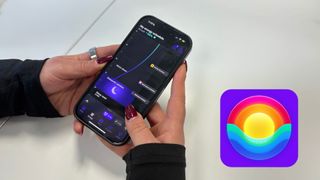
Your score is based on how long you spent in each sleep stage and key signals like how long it took you to fall asleep and the timing of your sleep. But when it comes to sleep, it doesn’t work out your individual sleep need and it relegates sleep debt to focus instead on its own sleep score. But, research shows how you feel about your sleep can make a difference to your well-being, so you can self-rate your sleep quality in the RISE app. There’s not much evidence that how long you spend in each stage of sleep (light sleep, deep sleep, and REM sleep) makes a difference to how you feel and function during the day.
Importantly, though, most of the consumer devices (five of the seven) performed either as well as or better than actigraphy on specificity, the primary indicator of a device’s wake-detection capability. The overall greatest specificity was for the Fitbit Alta HR, and it is notable that recent studies with the same device also found equal or greater specificity than actigraphy in comparison with PSG [27, 29]. If you have an Apple Watch and want a sleep tracker that requires zero effort, AutoSleep is for you. There’s no “start” or “stop” button—just wear your watch to bed, and the app does the rest. It provides incredibly detailed analysis of your sleep quality, sleep duration, and heart rate, presenting it in an easy-to-read ring system. Yes, you can manually track your sleep in CareClinic without any wearable devices.
Actually accurate, productivity is thriving
When you connect Runkeeper with Zapier, you can orchestrate multi-step workflows that turn your workouts into insights and actions across your apps. For example, you can automatically store your Runkeeper activity in Google Sheets, use AI to spot patterns or summarize progress, and update your goals in your habit tracker or another spreadsheet. As a general fitness tracker, the metrics aren’t super comprehensive; it tracks PRs/PBs and workout length.
Can the Apple Watch detect sleep apnea?
Another Whoop user and it works very well for me as a sleep tracker (and otherwise). For me, its uncanny how good it is at recognizing when sleep starts and ends. As for the intra-sleep data the app reports, I’m asleep so I don’t know what’s really happening with my REM sleep et al but the basic night’s score matches well with how I feel. CareClinic integrates with major wearable sleep tracking devices including Fitbit, Apple Watch (via Apple Health), Garmin, Oura Ring, Samsung Health, Google Fit, and other devices that sync with Apple Health or Google Fit. Sleep data automatically imports into your CareClinic sleep log, where you can add context, notes, and correlate with other health factors you are tracking.
Time tracking tool for teams of any size
The integration between Google’s advanced sensors and Sleep As Android’s sophisticated algorithms provides exceptional insight into sleep patterns. Monitor resting heart rate, heart rate variability, and blood pressure to see how sleep quality affects cardiovascular health. The sleep tracker lets you record is mad muscles legit Time in Bed, Time Asleep, Deep Sleep, and REM Sleep for precise tracking, functioning as a comprehensive sleep diary. Rate your Sleep Quality each morning and log any factors that affected your rest like caffeine intake, stress levels, exercise timing, or screen time before bed. They show patterns, highlight disruptions, and help users connect daytime habits with nighttime rest.
Why Smart Sleep Devices Matter in 2025
Since the Oura Readiness Score factors in so much of your historical data, you don’t see massive fluctuations from day to day. Instead, if you’re having a rough week with sleep and stress, your readiness will start trending downward. Similarly, if you’re really dialed in, the readiness will stay consistent or trend upwards. The Whoop tracks your heart rate and activity levels and keeps a running report of your day strain.
You can also scroll down on each screen to access additional charts and data from the previous week. There are little insight boxes that correlate your journal entries (more about that below) and make recommendations based on your recovery score and day strain. It took us a while to remember where to access different bits of information and we spent a lot of time scrolling around when we first got our Whoop strap. Remember, the goal here is to simply alert you to the potential for undiagnosed sleep apnea.